Easy Miso Soup Recipe- Quick & Delicious Homemade
Miso soup recipe is a cornerstone of Japanese cuisine, offering a comforting and incredibly satisfying bowl that’s surprisingly simple to make at home. There’s a reason why this humble dish is loved by so many: its delicate balance of savory, umami-rich dashi broth and the deeply flavorful fermented soybean paste creates a truly comforting experience. It’s the perfect appetizer to awaken your palate, a warming companion on a chilly evening, or a light yet fulfilling meal on its own. What truly makes this miso soup recipe special is its versatility; you can customize it with an array of delicious additions like silken tofu, tender seaweed, and vibrant scallions, transforming a basic broth into a nourishing and personalized delight. Let’s dive in and create your own perfect bowl of this soul-warming classic.

Miso Soup Recipe
Miso soup is a staple of Japanese cuisine, a comforting and nourishing broth that can be enjoyed any time of day. Its beauty lies in its simplicity and the incredible depth of flavor derived from just a few key ingredients. At its heart, miso soup is a celebration of umami, that savory fifth taste that leaves you feeling satisfied and warmed from the inside out. While you can find pre-made miso soup packets, nothing compares to the authentic taste and fresh aroma of a homemade batch. It’s surprisingly quick to make, making it an ideal weeknight meal or a perfect accompaniment to any Japanese-inspired feast.
There are many varieties of miso paste, each offering a unique flavor profile. White miso (shiro miso) is the mildest and slightly sweet, often used in lighter dishes. Red miso (aka miso) is more robust and salty, with a deeper, more complex flavor. Yellow miso offers a middle ground. For this recipe, I recommend using a good quality white or yellow miso for a balanced and approachable flavor, but feel free to experiment with red miso if you prefer a bolder taste. The dashi broth is another crucial component. It’s a Japanese stock made from kombu (dried kelp) and katsuobushi (dried bonito flakes), providing a foundational savory flavor. You can purchase dashi powder or granules for convenience, or make your own if you’re feeling adventurous.
The additions to miso soup are also flexible. While this recipe features classic ingredients like silken tofu and seaweed, you can easily customize it with your favorite vegetables, mushrooms, or even a swirl of chili oil for a touch of heat. The key is to add these ingredients towards the end of the cooking process so they retain their texture and flavor.
Ingredients:
Cooking Instructions:
The preparation of our delicious miso soup is a straightforward process, designed to bring out the best in each ingredient. We’ll start by preparing our dashi broth.
First, pour your 2½ cups of dashi into a medium saucepan. If you are using dashi granules or powder, follow the package instructions to prepare your broth. It’s important to have a good quality dashi as it forms the base of our soup’s flavor. Heat the dashi over medium heat until it comes to a gentle simmer. Avoid bringin extractg it to a rolling boil, as this can sometimes alter the delicate flavor of the dashi. We are looking for a gentle warmth that will allow the other ingredients to infuse beautifully.
While the dashi is warming, prepare your dried seaweed. In a small bowl, place your 1 heaping tablespoon of dried seaweed. Add a splash of warm water to the bowl and allow the seaweed to rehydrate. This process will take just a few minutes, and you’ll notice the seaweed plumping up and becoming pliable. Once rehydrated, gently drain any excess water from the seaweed. Discard the drained water as it can sometimes impart an unwanted flavor. The rehydrated seaweed will add a lovely texture and a subtle brininess to the soup.
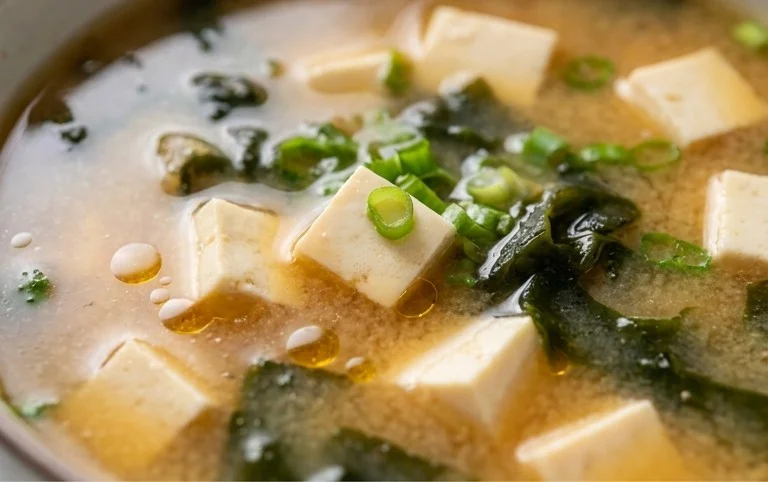
Next, we’ll introduce the silken tofu. Ensure your 4 oz of silken tofu has been cut into small, bite-sized pieces. Gently add these delicate tofu cubes to the simmering dashi. Be careful not to stir too vigorously at this stage, as silken tofu can break apart easily. The tofu will heat through quickly in the warm broth. Its soft texture will absorb the flavors of the dashi beautifully, making each spoonful a delightful experience.
Once the tofu is warmed through, it’s time to incorporate the star ingredient: the miso paste. This is where you can really tailor the soup to your personal preference. Take your 2-2½ tablespoons of miso paste. It’s crucial to temper the miso paste before adding it directly to the hot broth. To do this, scoop out about ½ cup of the warm dashi from the saucepan into a separate small bowl. Add the miso paste to this warm dashi and whisk gently until it’s completely dissolved and smooth. This tempering process prevents the miso from clumping and ensures an even distribution of flavor throughout the soup.
Finally, add the tempered miso mixture back into the saucepan with the rest of the dashi, tofu, and seaweed. Stir gently to combine. At this point, you should see the soup take on its characteristic cloudy appearance. Taste the soup and adjust the miso paste if needed. If you prefer a stronger miso flavor, add another ½ tablespoon at a time, whisking until dissolved. Remember, miso is salty, so it’s better to add more gradually. Once you’re happy with the flavor, turn off the heat immediately. Do not boil the soup after adding the miso, as prolonged boiling can degrade its beneficial enzymes and alter its delicate taste.
Ladle the hot miso soup into your serving bowls. Garnish generously with your 1 tablespoon of freshly chopped scallion. The bright, fresh flavor of the scallions provides a wonderful contrast to the rich, savory broth. Serve immediately and savor the comforting warmth and deliciousness of your homemade miso soup. It’s a simple yet profoundly satisfying dish that’s perfect on its own or as part of a larger meal. Enjoy!
Conclusion:
There you have it – a simple yet incredibly rewarding Miso Soup Recipe that’s perfect for any time of day! This recipe is fantastic because it’s so quick to prepare, allowing you to enjoy a comforting bowl of umami-rich goodness in just minutes. It’s naturally healthy, customizable, and provides a wonderful base for countless variations. We’ve seen how easy it is to whip up this classic Japanese staple, making it accessible even for novice cooks. The subtle saltiness and depth of flavor from the miso paste, combined with the delicate dashi broth, create a truly soul-warming experience. Don’t be afraid to experiment with different toppings and additions to make it your own!
For serving, this miso soup is a perfect appetizer before a sushi meal, a light lunch on its own, or a delightful side dish to accompany rice and grilled fish. Consider adding silken tofu cubes, thinly sliced scallions, dried wakame seaweed, or even a few shiitake mushrooms for extra texture and flavor. The beauty of this recipe lies in its adaptability. Feel free to swap out the tofu for cooked edamame, or add some finely shredded cooked chicken for a heartier meal. We truly encourage you to give this Miso Soup Recipe a try; it’s a delicious way to bring a taste of Japan into your kitchen!
Frequently Asked Questions about Miso Soup:
Q: What is the best type of miso paste to use for this recipe?
A: For a classic flavor, white miso (shiro miso) is a great choice as it’s mild and slightly sweet. Red miso (aka miso) offers a deeper, more robust, and saltier taste. You can also experiment with yellow miso (awase miso), which is a blend of red and white for a balanced flavor. Start with white miso if you’re new to miso soup!
Q: Can I make this recipe vegan?
A: Absolutely! Our base recipe can be easily made vegan by using a vegetable-based dashi powder or by making your own kombu (kelp) dashi. Ensure your miso paste is also vegan, as some traditional pastes can contain fish products.
Q: How long can I store leftover miso soup?
A: It’s best to enjoy miso soup fresh, as the flavor can degrade over time and the ingredients can become mushy. However, you can refrigerate leftover broth for 1-2 days. It’s recommended to reheat the broth gently and add fresh garnishes just before serving.
Miso Soup Recipe
A simple and comforting Japanese miso soup.
Ingredients
-
2½ cups Dashi
-
1 heaping tablespoon dried seaweed
-
4 oz silken tofu (cut into small pieces)
-
2-2½ tablespoons miso paste (or to taste)
-
1 tablespoon scallion (chopped)
Instructions
-
Step 1
Rehydrate the dried seaweed in a small bowl of water for about 5 minutes. Drain and set aside. -
Step 2
In a medium pot, bring the Dashi to a gentle simmer over medium heat. Do not boil. -
Step 3
Add the rehydrated seaweed to the simmering Dashi. -
Step 4
Add the silken tofu pieces to the pot. -
Step 5
In a small bowl, whisk the miso paste with a ladleful of the hot Dashi until smooth. -
Step 6
Gently stir the miso mixture back into the pot. Heat through but do not boil, as boiling can diminish the flavor and beneficial properties of the miso. -
Step 7
Ladle the soup into bowls and garnish with chopped scallions before serving.
Important Information
Nutrition Facts (Per Serving)
It is important to consider this information as approximate and not to use it as definitive health advice.
Allergy Information
Please check ingredients for potential allergens and consult a health professional if in doubt.