Homemade Pâtes de Fruits – No Corn Syrup Recipe
Homemade Pâtes de Fruits (no corn syrup) are a delightful artisanal treat that can elevate your dessert game to new heights. Forget those overly sweet, artificially flavored candies you find in stores. We’re talking about vibrant, intensely fruity jewels that burst with pure flavor, and the best part? You can make them right in your own kitchen, completely free of corn syrup. People adore pâtes de fruits because they offer a sophisticated, yet surprisingly simple, way to enjoy concentrated fruit essence. The magic lies in their beautiful translucent appearance, their wonderfully chewy yet yielding texture, and the way they showcase the natural sweetness and tartness of your chosen fruits. This recipe is special because it focuses on wholesome ingredients, allowing the true character of the fruit to shine through, creating a truly memorable and guilt-free indulgence.
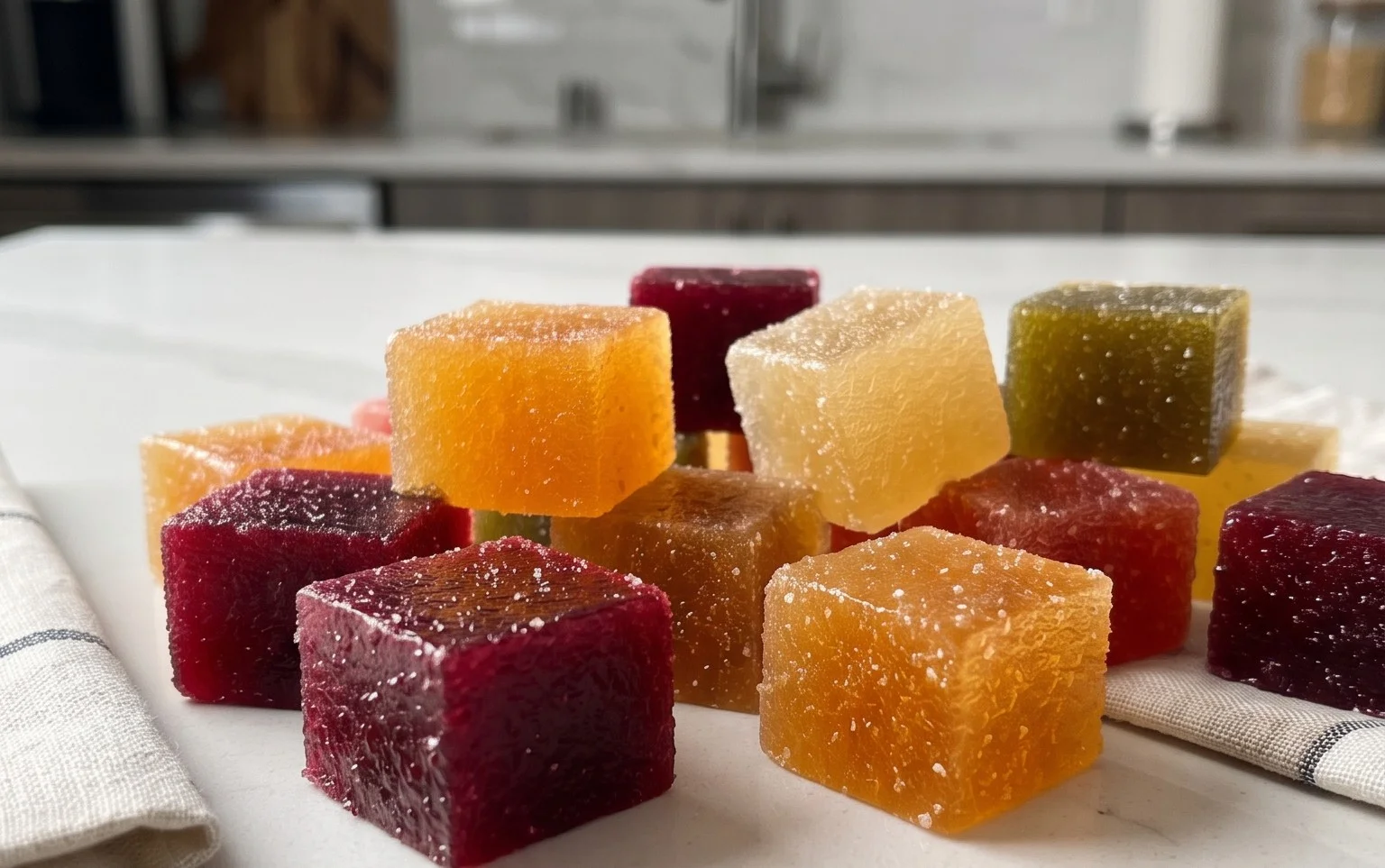
Homemade Pâtes de Fruits (No Corn Syrup)
There’s something incredibly satisfying about crafting your own sweet treats from scratch. Pâtes de fruits, those jewel-toned, chewy fruit jellies, are often found in elegant patisseries, their perfect texture and vibrant flavor a testament to careful preparation. While many recipes rely on corn syrup for that signature chew and smooth finish, I’ve found a way to achieve delightful results without it, using only classic ingredients. This method might seem a little more involved, but the payoff in taste and texture is absolutely worth it. Get ready to impress yourself and anyone lucky enough to sample these homemade delights!
Ingredients:
*Note on Pectin: For this recipe, it’s crucial to use “classic” or “traditional” pectin, often found in powdered form in the baking aisle. This type of pectin requires sugar and acid (from the fruit juice and lemon juice) to set properly. Avoid “low-sugar” or “no-sugar” pectin, as these are formulated differently and may not yield the desired results.
Let’s Get Started!
This process involves a few key stages, each important for achieving that perfect pâte de fruit texture. We’ll be working with sugar and heat, so always be mindful and practice safe kitchen habits.
1. Preparing Your Workspace and Fruit Base:
First, let’s get everything ready. Line an 8×8 inch baking pan or a similar-sized shallow pan with parchment paper, leaving some overhang on the sides to help you lift the set jelly later. Lightly grease the parchment paper with a neutral oil or cooking spray. In a medium saucepan, combine your 2 cups of fruit juice. I highly recommend using a high-quality, 100% fruit juice for the best flavor. If you’re using a juice that’s naturally very sweet, you might consider a slightly tarter blend, or conversely, if it’s very tart, you might want to adjust the sugar slightly, though the recipe is balanced to begin extract with.
2. Activating the Pectin:
Now, we’ll address the pectin. In a small bowl, whisk together the 3 tablespoons of classic pectin with about 1/4 cup of the granulated sugar from your measured 1 cup. This step is essential! Mixing the pectin with a little sugar before adding it to the liquid helps to disperse it evenly and prevent clumps from forming. If you add the pectin powder directly to the liquid, it tends to clump up and can be difficult to dissolve completely, leading to an uneven set. Once well combined, set this mixture aside.
3. Heating the Juice and Sugar:
Pour the remaining sugar into the saucepan with the fruit juice. Add the 1 tablespoon of freshly squeezed lemon juice. Lemon juice not only adds a bright note to the flavor profile but also provides the necessary acidity that works with the pectin to create a firm set. Heat this mixture over medium heat, stirring constantly, until the sugar has completely dissolved. You’ll know it’s dissolved when you can no longer feel any grittiness between your fingers or see sugar crystals at the bottom of the pan. Don’t let it boil vigorously at this stage, just a gentle simmer is fine to ensure the sugar is incorporated.
4. Cooking the Pâte de Fruit Mixture:
Once the sugar is dissolved and the mixture is simmering gently, it’s time to add the pectin mixture. Gradually whisk the pectin-sugar blend into the hot fruit juice. Continue to whisk constantly as the mixture comes to a full boil. This is a critical stage – you need to achieve a rolling boil that cannot be stirred down. Let it boil vigorously for exactly 1 minute, stirring continuously. This ensures the pectin is fully activated and will do its job. Be careful as it can bubble up quite a bit! After the minute is up, immediately remove the saucepan from the heat.
5. Pouring and Setting:
Quickly and carefully pour the hot mixture into your prepared, parchment-lined pan. You want to do this while it’s still hot to prevent it from setting too soon. Tilt the pan gently to ensure the mixture spreads evenly to the edges. Let it sit undisturbed at room temperature for at least 4 hours, or preferably overnight, to set completely. Resist the temptation to poke or prod it! The setting process takes time. You’ll notice it will become firm and gel-like.
6. Cutting and Coating Your Pâtes de Fruits:
Once the jelly has set firm, use the parchment paper overhang to carefully lift the entire slab out of the pan onto a cutting board. You can then use a sharp knife or a pizza cutter to cut the jelly into your desired shapes. Small squares, diamonds, or even fun cookie cutter shapes work wonderfully. Have your extra granulated sugar ready in a shallow dish or on a plate. Toss each cut piece in the sugar to coat all sides. This coating not only prevents them from sticking together but also adds a lovely texture and sweetness. Let the sugared pâtes de fruits sit for another hour or so to allow the sugar coating to adhere properly before storing them. Store your homemade pâtes de fruits in an airtight container at room temperature. They should stay fresh for a week or two. Enjoy your delicious, homemade fruit jewels!
Conclusion:
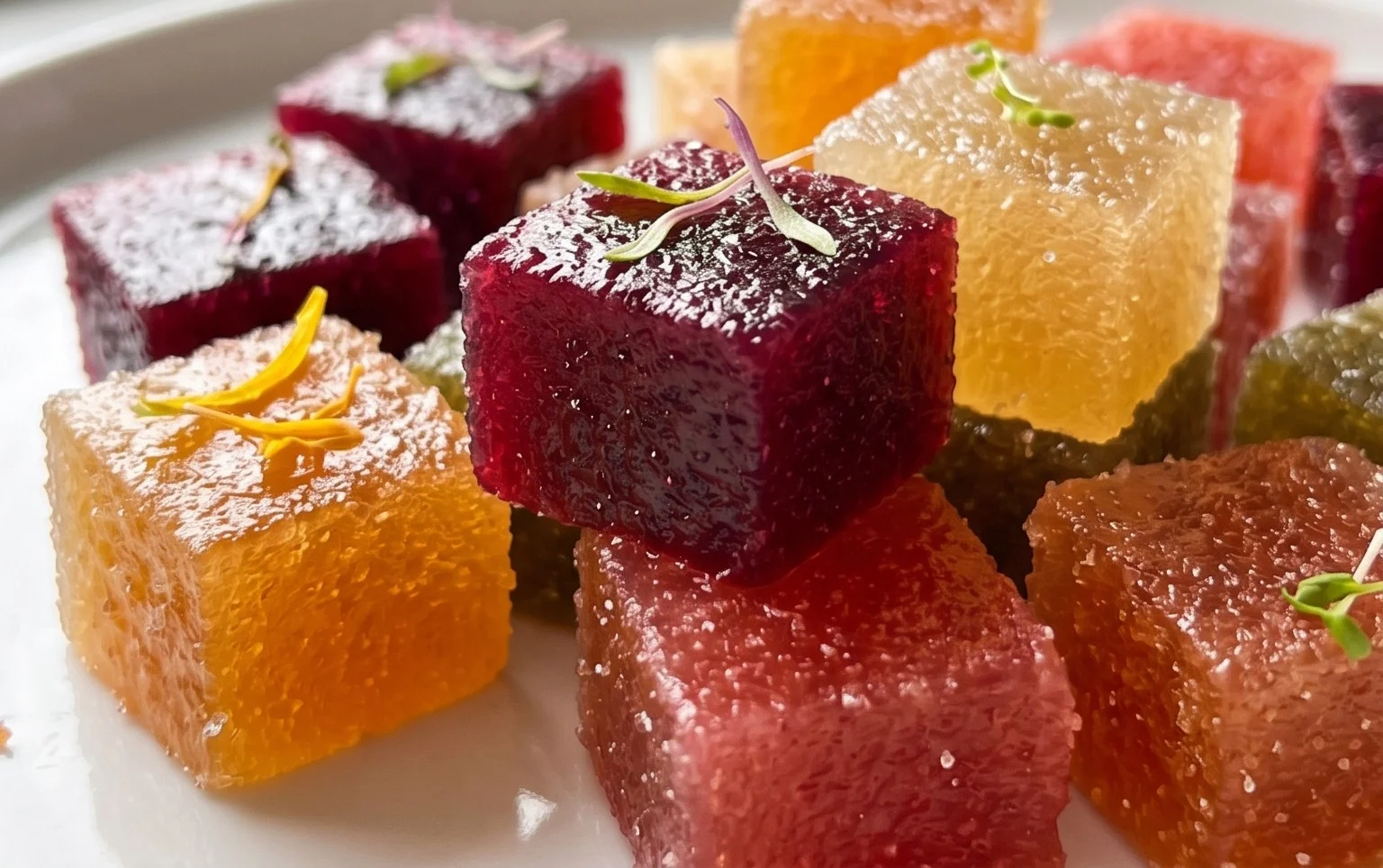
Congratulations on mastering the art of homemade pâtes de fruits without the use of corn syrup! You’ve now unlocked the secret to creating these jewel-like, intensely flavored fruit candies that are both elegant and delightfully chewy. This recipe is truly great because it allows you to control the quality of your ingredients, resulting in a pure, unadulterated fruit flavor that corn syrup can sometimes mask. The satisfying texture is a testament to careful cooking and the magic of pectin. These homemade pâtes de fruits are incredibly versatile. Enjoy them as a sophisticated dessert after a meal, a sweet treat with your afternoon coffee or tea, or even as a vibrant edible gift for friends and family. Don’t be afraid to experiment with different fruit combinations! Think about combining berries with a hint of citrus, or tropical fruits like mango and passionfruit. The possibilities are truly endless when you’re crafting your own delicious pâtes de fruits. So, gather your favorite fruits and give this recipe a try. You’ll be so proud of the beautiful and delicious results you achieve!
Frequently Asked Questions:
Why are my pâtes de fruits too hard or too soft?
The consistency of your pâtes de fruits is primarily determined by reaching the correct temperature during cooking. For a slightly softer, more yielding texture, aim for around 105-107°C (221-225°F). For a firmer, chewier bite, you’ll want to reach closer to 110°C (230°F). Using a candy thermometer is crucial for accuracy. Ensure your fruit puree is well-strained and that you’ve accounted for the sugar content of your specific fruit, which can subtly affect the cooking time.
Can I use different types of pectin?
Yes, you absolutely can! This recipe is designed for apple pectin, which is readily available. However, if you have access to citrus pectin or a commercial pectin blend, you can experiment. Be aware that different pectins have varying gelling strengths, so you might need to adjust the quantity slightly. Always follow the manufacturer’s instructions for the specific pectin you are using to achieve the best results.
How should I store my homemade pâtes de fruits?
Once your pâtes de fruits have fully set and are cut into desired shapes, it’s best to store them in an airtight container. You can layer them with parchment paper or wax paper to prevent sticking. Keep them at cool room temperature, away from direct sunlight and humidity. Properly stored, they should remain delicious for at least 2-3 weeks, though I doubt they’ll last that long!
Homemade Pâtes de Fruits (no corn syrup)
Delicious homemade fruit jellies without the use of corn syrup, using natural fruit juices and sugar for a delightful chewy treat.
Ingredients
-
2 cups fruit juice (orange and pomegranate)
-
1 cup granulated sugar, plus more for coating
-
3 tablespoons classic pectin
-
1 tablespoon freshly squeezed lemon juice
-
1/2 cup water
Instructions
-
Step 1
In a small saucepan, whisk together the pectin and 1/2 cup of the granulated sugar. Gradually whisk in the fruit juice and lemon juice until smooth. -
Step 2
In a separate saucepan, combine the remaining 1/2 cup of granulated sugar with the water. Heat over medium heat, stirring, until the sugar dissolves. -
Step 3
Add the sugar-water mixture to the fruit juice mixture in the first saucepan. Bring to a boil over medium-high heat, stirring constantly. -
Step 4
Continue to boil, stirring, for 5 minutes, or until the mixture reaches 220°F (104°C) on a candy thermometer. -
Step 5
Pour the hot mixture into a shallow, parchment-lined pan (about 8×8 inches). Let it cool at room temperature for about 30 minutes. -
Step 6
Once slightly set but still pliable, cut the mixture into small squares or desired shapes using a sharp knife or cookie cutters. You can lightly oil the knife to prevent sticking. -
Step 7
Gently toss the pâtes de fruits in additional granulated sugar to coat. Let them air dry on a wire rack for at least 2-4 hours, or until they are firm to the touch.
Important Information
Nutrition Facts (Per Serving)
It is important to consider this information as approximate and not to use it as definitive health advice.
Allergy Information
Please check ingredients for potential allergens and consult a health professional if in doubt.