Easy Homemade Bread Recipe – Fresh Baked Delight
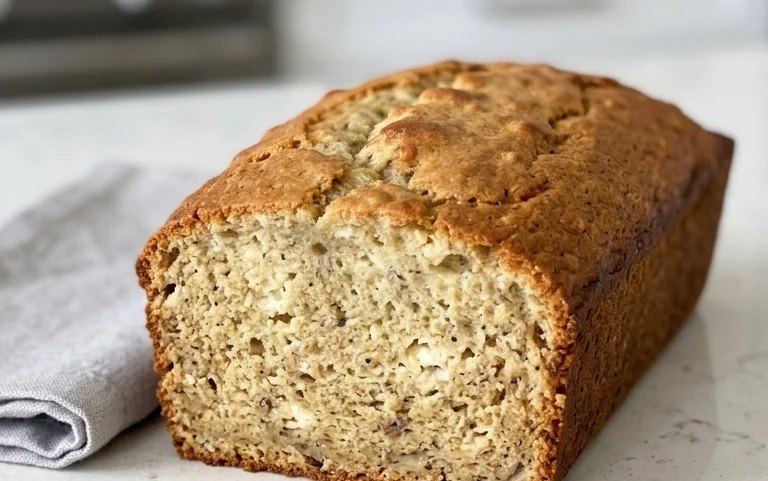
Homemade bread. Just the thought of it conjures up images of cozy kitchens, the comforting aroma filling every corner, and the satisfying sound of a crusty loaf being sliced. There’s something undeniably magical about creating something so fundamentally delicious from scratch, a simple alchemy of flour, water, yeast, and salt. People love homemade bread because it’s an act of love, a tangible connection to a time-honored tradition, and a guaranteed way to elevate any meal from ordinary to extraordinary. Forget those bland, mass-produced loaves; this is about experiencing bread in its purest, most flavorful form. What makes this particular recipe special is its approachability, designed to make even novice bakers feel like seasoned pros, yielding a loaf that is both incredibly satisfying to make and even more delightful to devour.

The Joy of Baking: Your Guide to Delicious Homemade Bread
There’s something incredibly satisfying about pulling a warm, crusty loaf of homemade bread from your own oven. The aroma alone is enough to fill your home with a sense of comfort and accomplishment. Forget those store-bought loaves that often lack character and freshness. With a few simple ingredients and a little patience, you can master the art of baking your own bread, creating a staple that’s not only delicious but also incredibly rewarding. This recipe is designed to be accessible, even for begin extractners, and the results are consistently fantastic. Let’s get started!
Ingredients:
*Note: Bread flour will give you a chewier texture, while all-purpose flour will yield a softer crum extractb. Both work beautifully for this recipe.
Getting Started: Activating the Yeast
The first crucial step in any bread-making journey is ensuring your yeast is alive and ready to work its magic. This process is often called “proofing” the yeast.
Building the Dough
Once your yeast is happily frothing, it’s time to introduce the other ingredients and start forming your dough. This is where the transformation begin extracts!
- To the activated yeast mixture, add the salt and oil. Give it another gentle stir to incorporate these ingredients. Now, it’s time to add your flour. Begin extract by adding 4 cups of the all-purpose or bread flour. If you’re using a stand mixer, attach the dough hook and mix on low speed until the ingredients just start to come together. If you’re mixing by hand, use a sturdy spoon or spatula to stir until a shaggy dough forms. You’ll notice the dough will still be quite sticky at this stage.
- Gradually add more flour, about 1/4 cup at a time, continuing to mix or knead. The amount of flour you’ll need can vary depending on humidity and the type of flour used. You’re looking for a dough that is still slightly tacky to the touch but no longer sticking excessively to the sides of the bowl or your hands. Over-flouring can result in a dry, dense loaf, so it’s better to err on the side of slightly sticky.
- Once you have a cohesive dough, it’s time to knead. If using a stand mixer, continue to knead on medium-low speed for about 6-8 minutes. The dough should become smooth, elastic, and pull away from the sides of the bowl. If kneading by hand, turn the dough out onto a lightly floured surface. Push the dough away from you with the heels of your hands, then fold it over onto itself. Rotate the dough a quarter turn and repeat. Continue this process for about 8-10 minutes until the dough is smooth, elastic, and springs back when gently poked. You can test if it’s ready by performing the “windowpane test”: take a small piece of dough and gently stretch it between your fingers. If you can stretch it thin enough to see light through it without it tearing, it’s well-kneaded.
- Lightly grease a clean large bowl with a little oil. Place the kneaded dough into the bowl, turning it once to coat all sides with oil. Cover the bowl tightly with plastic wrap or a damp kitchen towel. Place the bowl in a warm, draft-free place to rise for about 1 to 1.5 hours, or until the dough has doubled in size. A slightly warm oven that has been turned off works wonderfully for this. Be patient; the rise time can vary depending on the ambient temperature. Don’t peek too often, as this can disrupt the rising process.
- Gently punch down the risen dough to release the air. Turn the dough out onto a lightly floured surface. You can shape your bread into a round boule, an oblong loaf for a loaf pan, or even individual rolls. For a boule, gently tuck the edges of the dough underneath to create a smooth, taut surface. If using a loaf pan, lightly grease it and place the shaped dough inside.
- Cover the shaped dough loosely with plastic wrap or a clean kitchen towel and let it rise again for another 30-45 minutes, or until it has nearly doubled in size. This second rise, also known as proofing, helps to create a lighter, airier crum extractb. While the dough is proofing, preheat your oven to 375 degrees Fahrenheit (190 degrees Celsius).
- Once the dough has completed its second rise, you can optionally brush the top with a little egg wash or milk for a beautiful golden-brown crust. If you like, you can also score the top of the loaf with a sharp knife or lame. This allows steam to escape during baking and can create an attractive pattern. Carefully place the loaf (or loaves) into the preheated oven.
- Bake for 30-40 minutes for a large loaf, or 20-25 minutes for smaller rolls, until the crust is deep golden brown and the internal temperature of the bread reaches around 200-210 degrees Fahrenheit (93-99 degrees Celsius) when tested with an instant-read thermometer. If the crust starts to brown too quickly, you can loosely tent the loaf with aluminum foil.
- Once baked, immediately remove the bread from the oven and transfer it to a wire cooling rack. It’s tempting to slice into it right away, but allowing the bread to cool completely is crucial. This allows the internal structure to set and prevents a gummy texture. Let it cool for at least an hour before slicing.
-
2 cups warm water (105-115 degrees) ((474g))
-
1 Tablespoons active dry yeast*
-
1/4 cup honey or sugar ((85g honey, 50g sugar))
-
2 teaspoons salt
-
2 Tablespoons canola oil
-
4 – 5 1/2 cups all-purpose or bread flour*
-
Step 1
In a large bowl, combine the warm water and honey (or sugar). Sprinkle the active dry yeast over the top and let it sit for 5-10 minutes until foamy. -
Step 2
Add the salt and canola oil to the yeast mixture. Gradually add the flour, starting with 4 cups, mixing until a shaggy dough forms. -
Step 3
Turn the dough out onto a lightly floured surface and knead for 8-10 minutes until smooth and elastic. Add more flour as needed, up to 5 1/2 cups total, to prevent sticking. -
Step 4
Place the dough in a lightly oiled bowl, turning to coat. Cover with plastic wrap or a clean kitchen towel and let it rise in a warm place for 1 to 1.5 hours, or until doubled in size. -
Step 5
Punch down the dough and shape it into a loaf. Place it in a greased loaf pan. -
Step 6
Cover the loaf pan and let the dough rise again for 30-45 minutes, until it has risen above the rim of the pan. -
Step 7
Preheat oven to 375 degrees F (190 degrees C). Bake for 30-35 minutes, or until the crust is golden brown and the internal temperature reaches 190-200 degrees F (88-93 degrees C). -
Step 8
Remove the bread from the loaf pan and let it cool completely on a wire rack before slicing.
Kneading for Strength and Texture
Kneading is essential for developing the gluten in the flour, which gives bread its structure and chew. Don’t be intimidated by this step; it’s quite therapeutic!
The First Rise: Patience is a Virtue
Now comes the magical part: letting the dough do its thing and rise. This is where the yeast really gets to work, creating those wonderful airy pockets.
Shaping and the Second Rise
Once your dough has doubled, it’s time to gently coax it into its final shape and give it another brief rest.
Baking to Golden Perfection
The moment of truth! Baking your homemade bread.
Cooling and Enjoying
The hardest part is waiting, but it’s essential for the best texture and flavor.
Enjoy your freshly baked homemade bread! It’s perfect on its own, slathered with butter, or used for your favorite sandwiches. Happy baking!

Conclusion:
You’ve just unlocked the secret to incredibly satisfying, homemade bread! This recipe is fantastic because it demystifies the baking process, proving that you don’t need fancy equipment or years of experience to create a beautiful, delicious loaf from scratch. The aroma alone as it bakes is worth the effort, filling your home with warmth and inviting everyone to gather around. This versatile bread is perfect on its own, lightly buttered, or as the foundation for an amazing sandwich. Imagin extracte it toasted and slathered with your favorite jam, or served warm alongside a hearty soup. Don’t be afraid to experiment! Feel free to add herbs like rosemary or thyme to the dough, or mix in some seeds for added texture and flavor. The possibilities are truly endless. So, take that leap and give this recipe a try. I promise, the sense of accomplishment and the pure delight of biting into your own freshly baked loaf will be incredibly rewarding. Happy baking!
Frequently Asked Questions:
Why is my bread dense instead of fluffy?
A common reason for dense bread is insufficient kneading or allowing the dough to rise in a cold environment. Make sure you’re developing the gluten properly by kneading for the recommended time, and that your dough is in a warm, draft-free place to rise. Over-measuring flour can also contribute to density, so try weighing your flour for more consistent results.
Can I freeze this homemade bread?
Absolutely! Once completely cooled, you can slice the bread and freeze it in an airtight container or freezer bag for up to three months. This is a great way to enjoy your hard work even after it’s baked. Simply toast frozen slices directly from the freezer.
What’s the best way to store my homemade bread?
For short-term storage (1-3 days), keep your bread in a bread box or wrapped loosely in a clean kitchen towel at room temperature. Avoid plastic bags, as they can make the crust soggy. If you won’t finish it within a few days, freezing is the best option.
Homemade Bread
A simple and delicious recipe for classic homemade bread, perfect for sandwiches, toast, or enjoying on its own.
Ingredients
Instructions
Important Information
Nutrition Facts (Per Serving)
It is important to consider this information as approximate and not to use it as definitive health advice.
Allergy Information
Please check ingredients for potential allergens and consult a health professional if in doubt.